<!DOCTYPE html>
Why Proper Attic Insulation Matters for Your Glendale AC
Why Proper Attic Insulation Matters for Your Glendale AC
Glendale summers push air conditioners hard. Heat waves drive attic temperatures past 140 degrees. Santa Ana winds add dust and low humidity that stress cooling systems from the Verdugo Mountains to the south Glendale flats. In many homes, the real problem sits above the ceiling. Poor attic insulation multiplies heat gain, raises duct temperatures, and forces the AC to run longer than the design intent. The result shows up as high utility bills, rooms that never cool, and frequent Glendale AC repair calls during peak season.
Green Planet Heating and Air sees the same pattern across Rossmoyne, Verdugo Woodlands, Adams Hill, and Chevy Chase Canyon. The AC works, yet the building shell loads it beyond comfort. A well insulated and air sealed attic breaks this pattern. It stabilizes indoor temperatures, protects compressors and blower motors, and reduces emergency AC service calls on the hottest days. It also aligns the home with California Title 24 energy requirements and keeps SEER2 systems performing as rated.
How Glendale attics drive AC load
Glendale, CA sits in Los Angeles County with a climate that swings fast. The city faces microclimates from Montecito Park to Glenoaks Canyon. Roof surfaces soak up intense sun, which heats the attic through radiation and conduction. Mid afternoon attic air can hold 50 to 70 degrees more heat than outdoor air. Any duct leakage or thin insulation allows that heat to push into living spaces. If the ducts run through the attic, even small leaks or gaps at boots can defeat the supply air temperature the evaporator coil delivers.
A central air conditioner is sized to handle a design day, not a runaway attic. When attic insulation is weak, the thermostat calls for cooling for long cycles. The blower motor runs hot. The contactor and start capacitor experience more on cycles per hour. On older central air conditioners and package units, that can mean short cycling and tripped breakers. On variable speed heat pumps and ductless mini splits, it can mean constant high speed operation, lower seasonal efficiency, and noisy outdoor units that irritate neighbors on Brand Boulevard or near the Americana at Brand.
Title 24, R values, and real comfort
California Title 24 prescribes envelope performance that reduces peak load. For most Glendale homes, an attic target of R-38 to R-49 hits the sweet spot for cost and cooling impact. Many older houses in 91202 and 91207 still carry R-11 to R-19 levels from past decades. That allows massive conductive heat gain into the ceiling drywall. Adding blown cellulose or fiberglass to reach R-38 plus consistent air sealing brings indoor temperatures within a tighter band and lets the AC hold setpoint without grinding late into the evening.
R value alone does not define performance. Air sealing top plates, can lights, and chases matters. Without it, buoyant hot air in the attic drives infiltration into living spaces through gaps. That increases latent and sensible loads that the evaporator coil must remove. A home that tests at 10 to 15 ACH50 during a blower door test often drops to 5 to 7 ACH50 after targeted sealing. That shift can free 0.5 to 1.5 tons of cooling capacity on peak days in a typical 1,500 to 2,000 square foot Glendale residence.
Ducts in attics and SEER2 losses
Many Glendale houses route ducts across open attic bays. Supply trunks and branches sit above insulation. Any voids, crushed flex runs, or loose mastic add loss. A ten degree supply temperature rise across attic runs is common in July if insulation is thin or displaced. That wipes out SEER2 ratings in practice. The compressor works harder. The expansion valve or TXV hunts. Suction pressure drops. Frost forms on the evaporator coil. Then the homeowner sees warm air or hears the blower motor cycle off on a high limit. A service call follows.
Green Planet Heating and Air documents real gains when insulation is corrected around these ducts. After dense packing voids and raising insulation to R-38, supply temperatures at the far bedroom in Adams Hill often drop 6 to 10 degrees under load. Static pressure readings stabilize near 0.5 in. W.c. For many Lennox and Trane air handlers. That change reduces short cycling and protects start capacitors and contactors from rapid on and off wear.
What Glendale homeowners notice first
Symptoms tie back to attic conditions more often than they appear at first glance. During a Glendale heatwave, residents across 91206 and 91208 report issues that sound like equipment failure. The inspection shows the attic is boiling and ducts leak at collars. Even a premium Carrier or American Standard system cannot erase envelope losses. The clearest early clues present in everyday comfort complaints.
- Rear bedrooms run 4 to 8 degrees warmer than the hallway thermostat during late afternoons.
- Return air grill feels hotter than room air after sunset, which hints at attic air infiltration into the return plenum.
- Evaporator coil freezes during the hottest days, then the system blows warm air from vents for an hour after a thaw.
- Utility bills spike 20 to 40 percent each July and August compared to shoulder months.
- Outdoor unit clicks on and off repeatedly. A failed start capacitor or weak contactor often follows sustained attic heat load.
Neighborhood building stock and attic realities
Rossmoyne features many historic hillside estates with shallow attic access and mixed insulation levels under Spanish tile. Verdugo Woodlands has mid century rafters with limited depth and skylight shafts that leak heat. Adams Hill bungalows often carry disconnected bath fans that vent into the attic, which superheats the cavity and adds moisture that compacts insulation. Chevy Chase Canyon homes sit under tree cover that moderates roof temperatures yet still face afternoon gains due to roof orientation and valley reflection. Riverside Rancho ranch homes often show long duct runs across low slope attics, which need rigid duct support and thicker insulation wraps.
Apartments near Brand Park and the Glendale Central Library add a different constraint. Package units on flat roofs work against intense solar loads. Roof insulation and white reflective coatings deliver bigger returns than mechanical upgrades alone. In Glenoaks Canyon and Brockmont, steep lots complicate insulation delivery. Remote corners need careful hose placement for even cellulose depth. The goal is always the same. Create a continuous thermal and air barrier without choking soffit ventilation or violating clearance codes around flues and recessed fixtures.
Santa Ana winds, dust, and filtration strategy
Santa Ana events blast Glendale with hot, dry air and fine dust. Attic insulation that leaves gaps at top plates and can lights turns the ceiling into a filter. Dust falls into rooms and loads the return air filter fast. MERV 13 filtration in the air handler helps, yet the first defense is air sealing. Once leakage is contained, MERV 11 to MERV 13 filters keep blower wheels cleaner and protect the evaporator coil fins from fouling. That matters for Lennox variable speed blowers and Mitsubishi Electric ducted mini split air handlers, which are sensitive to static pressure and dirt buildup.
Wildfire smoke also hits Glendale some seasons. Infiltration paths through the attic draw smoke odor into living spaces. Sealing top plates and installing ember resistant vents in roof eaves reduce intrusion. During smoke events, Green Planet Heating and Air recommends short duty cycles on recirculation with MERV 13 filters and tight attic hatches. That approach protects indoor air quality without freezing the evaporator coil.
Materials that work in Glendale attics
Blown cellulose forms a consistent thermal blanket and fills irregular bays around knob and tube patches or lath and plaster transitions found in older 91205 homes. Fiberglass loose fill works well when baffles and damming keep it from drifting under Santa Ana gusts that leak through vents. Batt insulation suits open bays in newer construction near 91210, yet it requires meticulous air sealing beforehand. Spray foam under the roof deck changes the attic to a semi conditioned space, which can cut duct losses dramatically, but it needs careful moisture and combustion safety review. Radiant barrier sheathing or stapled foil helps when ducts remain above the insulation. It drops attic mean radiant temperature and eases late afternoon loads.
The best choice depends on access, roof pitch, mechanical layout, and budget. A clear plan separates air sealing from thermal work. Seal first. Insulate second. Protect bath fans and kitchen exhausts with proper venting through the roof. Maintain clearances to flues and type IC rated can lights. Guard electrical junction boxes. Label covered junctions per code. Then document depth with rulers at multiple points to verify R value.
Engineering link between attic insulation and AC performance
Cooling load splits into sensible and latent components. Poor attic insulation drives sensible heat straight through ceiling drywall. That pushes coil leaving air temperature targets lower and extends cycle time. Longer cycles raise suction saturation temperatures and can lower superheat if charge or airflow is off. The expansion valve or TXV hunts to stabilize. Frost forms on the evaporator coil under low airflow. Water then overflows at the drain pan if the condensate line is clogged. A clogged condensate line is common in dusty attics and in homes near construction along the Brand Boulevard corridor.
Ducts in hot attics warm supply air before it reaches diffusers. A five degree gain adds roughly 7 to 10 percent to sensible load for many homes. That translates to reduced capacity and more compressor run time. Compressors run hotter. Oil thins. Windings stress. Contactors pit from arcing under frequent starts. Start capacitors swell and fail. Glendale ac repair calls spike during late afternoon as these parts give out during heat waves.
With proper insulation and air sealing, the opposite happens. Cycle lengths normalize. Starts per hour drop. Blower motor amps fall to nameplate. Superheat and subcool stabilize within manufacturer targets. The system delivers true SEER2 performance. Comfort steadies in back bedrooms and on second floors. The homeowner needs fewer service visits for blown capacitors or low airflow faults traced to dirty coils.
Measurement first, then the fix
A reliable Glendale plan starts with data. Green Planet Heating and Air documents attic temperature, insulation depth, and thermal bridging points. Technicians run static pressure measurements, supply and return temperature splits, and airflow checks across the blower. Infrared scans reveal missing insulation around recessed lights and open chases common in Verdugo Woodlands. Duct leakage testing quantifies loss so repairs can focus on the biggest wins.
The company also loads a Manual J calculation with Glendale design dry bulb and wet bulb conditions. That places insulation upgrades in the same frame as equipment capacity and duct design. If downsizing becomes possible after air sealing and insulation, the homeowner gains quieter operation and lower operating costs. If the existing equipment stays, better insulation still frees capacity and reduces Glendale AC repair risk during peak weeks.
A simple cost and comfort example
Consider a 1,800 square foot home in 91206 with R-13 attic insulation and ducts in the attic. Peak cooling load sits near 4 tons during a July heatwave. Insulation upgrades to R-44 with air sealing and duct leakage reduction from 18 percent to 6 percent can drop that load by 0.5 to 1.0 tons. The existing 4 ton central air conditioner now cycles at sane lengths. Supply registers in the back bedroom show a 6 degree lower temperature at 4 pm. The contactor no longer chatters under frequent starts. The start capacitor runs cool. The homeowner calls less for emergency AC service and sees steadier bills in July and August.
Brands, parts, and what service trucks carry
Glendale homes show a healthy mix of Carrier, Lennox, Trane, Goodman, Rheem, York, and American Standard equipment. High end projects often feature Daikin variable speed systems, Mitsubishi Electric Mr. Slim ductless mini splits, or Fujitsu heat pumps. Bosch and Honeywell Home controls appear in many retrofits. Green Planet Heating and Air services each of these with factory level discipline. Trucks stay stocked with universal start capacitors and contactors to reduce downtime. That inventory helps complete a Glendale AC repair visit in one trip when a part fails under attic induced stress.
Common failure points that trace back to hot attics include blown capacitors, pitted contactors, seized condenser fan motors, and clogged condensate lines. Refrigerant leaks show up at flare joints on ductless systems and at Schrader cores on older condensers. Frozen evaporator coils point to airflow issues that often begin with dirty filters, undersized returns, or duct constrictions in the attic. Smart thermostat misconfiguration can add short cycling by stacking aggressive staging on top of an oversized system. Green Planet Heating and Air addresses each of these with a blend of repair, tune up, and building shell fixes.
What Green Planet checks during an attic focused AC visit
Attic conditions shape how technicians test and tune the system. The service process targets airflow, refrigerant charge, and safety. It also captures insulation depth and leakage paths that force the system off its design point.
- Measure supply and return temps at multiple rooms and map losses across attic runs.
- Check static pressure, blower wheel cleanliness, and filter size for MERV 11 to 13 operation.
- Inspect contactor, start capacitor, and compressor amps under load and record start counts.
- Verify condensate line slope and clear algae that grows in warm attic sections.
- Document attic insulation depth, air sealing gaps at top plates, and ventilation balance at soffits and ridge.
Local service footprint and response times
Green Planet Heating and Air operates near the Glendale Galleria and the Americana at Brand. Crews reach Rossmoyne, Brockmont, and Montecito Park fast. Same day response is common across 91201, 91202, 91203, and 91204. The company also serves 91205, 91206, 91207, 91208, and 91210 with route based scheduling that adapts to traffic on the 134. Technicians know the Alex Theatre area, Brand Park, and Forest Lawn Memorial Park surroundings. They also support nearby Burbank, Pasadena, La Cañada Flintridge, Eagle Rock, Los Feliz, Atwater Village, and Montrose when Glendale neighbors refer them.
Glendale’s mixed housing stock means Green Planet sees central air conditioners in ranch homes, ductless mini splits in additions, variable speed heat pumps on hillside lots, and dual fuel systems in larger estates. The team maintains Lennox furnaces that share attics with aging ducts and services Mitsubishi and Daikin heat pumps that cool backyard studios. The focus stays on energy efficient operation that meets Title 24 and SEER2 compliance while matching real world Glendale conditions.
Indoor air quality and attic insulation
Attic air often contains dust, insulation fibers, and volatile compounds from stored items. Gaps around can lights, attic hatches, and chases allow that air to drift into living rooms and bedrooms. During hot spells, convective forces pull these contaminants down the moment the air handler ramps up. By air sealing and insulating, leakage paths shrink. Pair that with MERV 13 filtration and a clean blower assembly, and indoor air quality improves. High utility bills fall, and allergy complaints ease during Santa Ana seasons. Homes near the Atwater Village border benefit from this approach since traffic and regional dust load the air more frequently.
Heat pumps and attic insulation synergy
Variable speed heat pumps from Daikin, Mitsubishi Electric, and Fujitsu hold setpoint well when the envelope cooperates. In Glendale microclimates, attic insulation that reduces swing allows these systems to run at lower speeds longer. That improves dehumidification under monsoonal moisture days and slashes noise. It also keeps reversing valves, expansion valves, and compressors out of stress zones that generate service calls. For dual fuel systems with gas furnaces, attic insulation reduces heat loss in winter evenings and allows gentler staging, which protects exchangers and lowers stack losses.
Why many AC failures trace back to the attic
Glendale ac repair tickets often tag symptoms like warm air from vents, unusual noises, or thermostat malfunction. The root cause can be an envelope that forces the AC to fight physics. A clogged condensate line grows from warm attic sections that accelerate biological growth. A frozen evaporator coil comes from low airflow caused by an undersized return under a dusty attic. A blown capacitor follows months of frequent starting due to constant heat gain through a thin ceiling. The AC is the messenger. The attic writes the message.
Addressing insulation and sealing does not erase mechanical wear, yet it reduces the run time and heat exposure that destroy electrical parts. Compressors last longer. Contactors pit slower. Blower motors cool better. That means fewer late evening emergency AC service calls in Glendale when contractors and parts are stretched thin.
Practical steps Glendale homeowners can take now
Homeowners can start with visual checks. Look for insulation that sits below joist tops. Spot dark streaks on insulation that indicate air leakage pathways. Check that soffit vents are open and not blocked by insulation. Feel for air drafts at recessed lights. Swap to IC rated fixtures if needed. Confirm the attic hatch has a rigid cover and weatherstripping. Then schedule a professional assessment that includes thermal imaging, static pressure testing, and duct leakage measurement. That data guides the order of work and protects the investment in any Glendale HVAC repair.
Green Planet’s local tune up and repair approach
Green Planet Heating and Air delivers a precision AC tune up that targets the faults poor attic insulation creates. The 26 point inspection tests start capacitors, examines contactors, verifies TXV behavior, and clears condensate lines to prevent ceiling damage. The team also checks air filter sizing for MERV 13 use and documents insulation defects for fast quoting. This process reduces follow up calls and helps the AC ride through 100 degree days in the San Fernando Valley.
For Glendale homeowners who maintain Mitsubishi mini splits or traditional Lennox central air systems common in Rossmoyne, the company brings brand specific know how. Technicians are factory trained for Carrier, Trane, Rheem, Goodman, York, and American Standard. When efficiency upgrades make sense, the team recommends Daikin variable speed systems with advanced filtration to handle Valley dust and wildfire smoke. Each recommendation fits the building shell, duct layout, and the attic plan so the result performs as tested.
Trust markers that matter during Glendale summers
Green Planet Heating and Air is a CSLB licensed and bonded contractor that follows California safety codes. The company is EPA certified and a local Energy Star Partner. Crews are Google Guaranteed and provide 24 by 7 emergency service. Free estimates on new installations are available. Every insulation and HVAC proposal references SEER2 compliance and Title 24 requirements so the homeowner receives a solution that holds value. Upfront pricing and written scope prevent surprises.
The Seasonal AC Tune Up Special prepares systems before peak heat strikes. Many failures are avoided with a fresh start capacitor, a cleaned condenser coil, and a clear condensate line. Small steps that prevent midsummer disruptions near Forest Lawn Memorial Park or the Glendale Central Library district save far more than they cost.
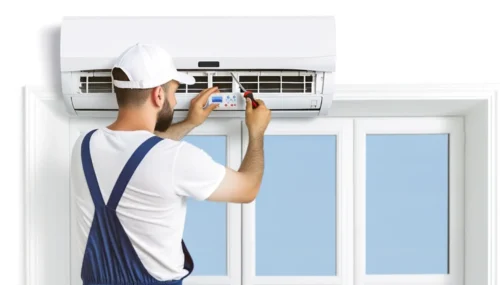
HVAC repair Glendale and attic insulation go hand in hand
Search trends prove a point each July. Queries for HVAC repair Glendale surge alongside complaints of upstairs rooms that never cool. Glendale ac repair teams replace contactors, add refrigerant, and reset smart thermostats. The relief is temporary if the attic is the real issue. A coordinated plan that seals the attic, sets proper R value, and corrects duct losses turns short lived fixes into durable comfort. Fewer hard starts. Fewer frozen evaporator coils. Lower bills. Calmer rooms during peak sun.
Green Planet Heating and Air aligns service calls with building science. The technicians explain how insulation depth, radiant load, and leakage interact with compressors, blower motors, and TXV controls. Homeowners gain a clear path. Fix the shell. Tune the system. Enjoy real cooling that holds through Santa Ana winds and heat waves.
Service radius, zip codes, and response pledge
The company serves Glendale, CA zip codes 91201, 91202, 91203, 91204, 91205, 91206, 91207, 91208, and 91210. Calls from Rossmoyne, Verdugo Woodlands, Adams Hill, Brockmont, Chevy Chase Canyon, Montecito Park, Glenoaks Canyon, and Riverside Rancho receive priority routing during heat events. Crews position near the Americana at Brand for fast dispatch. Glendale’s commercial corridors along Brand Boulevard receive same day attention for package units and rooftop systems subject to extreme solar loading.
A final word on value
Attic insulation is not a cosmetic upgrade. It is a mechanical protection strategy for compressors, contactors, and start capacitors that face Glendale heat. It also raises indoor air quality by blocking attic sourced dust and smoke. Proper insulation makes every brand perform closer to its rating. Carrier, Lennox, Trane, Goodman, Rheem, York, American Standard, Daikin, Mitsubishi Electric, and Fujitsu all benefit from lower attic gains and cleaner airflow.
Homes near the Verdugo Mountains run cooler into the evening. Apartments by the Glendale Galleria hold stable temperatures with fewer cycles. Canyons like Chevy Chase avoid the late afternoon thermal run up that used to force thermostat adjustments. Glendale residents feel the change and watch utility statements settle. That is the goal of good engineering in a hot valley city.
Ready for stronger comfort and fewer repairs
Green Planet Heating and Air provides attic insulation assessments tied to real AC performance metrics. The team can measure, seal, and insulate. Then it will tune the system and fix what heat damaged parts need attention. Trucks arrive stocked with universal start capacitors and contactors for fast on site Glendale ac repair. That readiness keeps homes cool when temperatures spike.
Schedule a consultation now. Ask about the Seasonal AC Tune Up Special before peak summer hits Glendale. Green Planet Heating and Air is locally owned and operated, CSLB licensed, EPA certified, and Google Guaranteed. Service is available 24 by 7. Upfront pricing is standard. Free estimates on new installs are provided. Book service for HVAC repair Glendale, request an attic insulation audit, or schedule a precision tune up. A Glendale comfort advisor will confirm the time and share preparation steps. The visit will address the attic and the AC together so comfort holds when the valley heats up.